

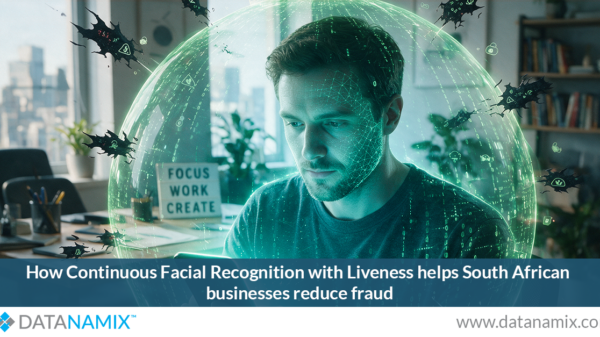





How does continuous identity assurance support the prevention of unauthorised access?
It adds identity context after access has been granted, helping an organisation assess whether the authorised person remains present during later parts of the session.
The question “How does continuous identity assurance support the prevention of unauthorised access?” is best answered by looking at the wider security environment. Identity verification, authentication, device security, session controls and fraud response each perform different roles. Continuous identity assurance adds another layer rather than replacing any of them.
Identity security begins before access is granted
Identity verification helps establish that a person is who they claim to be. Authentication then checks whether the person requesting access can present the required credentials or factors.
These processes may include passwords, passkeys, one-time PINs, recognised devices and biometric checks. They remain important parts of preventing unauthorised access.
However, access is only one stage of the digital journey. The user may continue to interact with the application long after the first identity check.
Identity risk can change during the session
The risk associated with an action depends on what the user is trying to do.
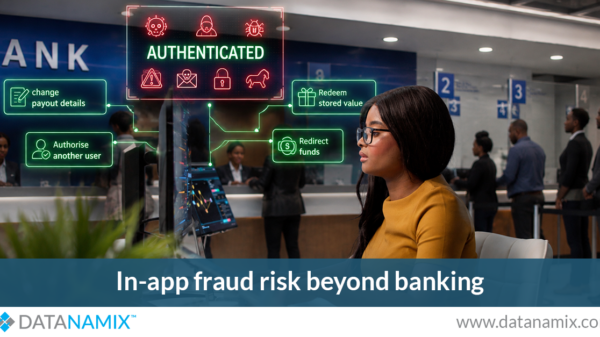
Reading general information may have a limited immediate consequence. Changing a payout account, adding a beneficiary, authorising a new device or approving a payment can alter control, redirect value or expose sensitive information.
Continuous identity assurance gives the organisation additional identity context at these later points. This can support more informed decisions when the consequence of an unauthorised action is greater.
How does it fit into a layered security framework?
A layered security framework avoids relying on one control as conclusive. It may bring together:
- Identity verification and secure onboarding
- Authentication and multi-factor authentication
- Device and endpoint protection
- Session and behavioural signals
- Transaction monitoring
- Continuous identity assurance
- Incident response and account recovery
Continuous identity assurance contributes information about whether the authorised person remains present. The organisation then combines that information with the other evidence available.
Does it require organisations to replace existing systems?
No. Continuous identity assurance is intended to complement existing security investments.
The organisation can identify where an additional identity signal would be useful and determine how it fits into its current authentication, session and fraud policies. This allows stronger assurance to be introduced around selected actions without applying the same additional check to every part of the customer journey.
What can continuous identity assurance not determine?
Identity is only one part of fraud and security risk.
A legitimate customer may have been manipulated into making a payment. A device may contain malware or be controlled through remote-access software. An unusual transaction may also require investigation even when the correct customer is present.
Continuous identity assurance does not replace the controls used to detect these risks. It helps answer the narrower question of whether the authorised person remains behind the interaction.
Where Continuous Facial Recognition with Liveness fits
Continuous Facial Recognition with Liveness can extend identity assurance throughout an active digital session. The organisation retains control over where the identity signal is used and how the application responds.
Datanamix provides Continuous Facial Recognition with Liveness in South Africa. The technology is powered by the YEO Continuous Facial Recognition SDK and is designed to complement existing authentication and fraud-prevention technologies.
Contact Datanamix to discuss how continuous identity assurance could support your organisation’s existing security framework.