







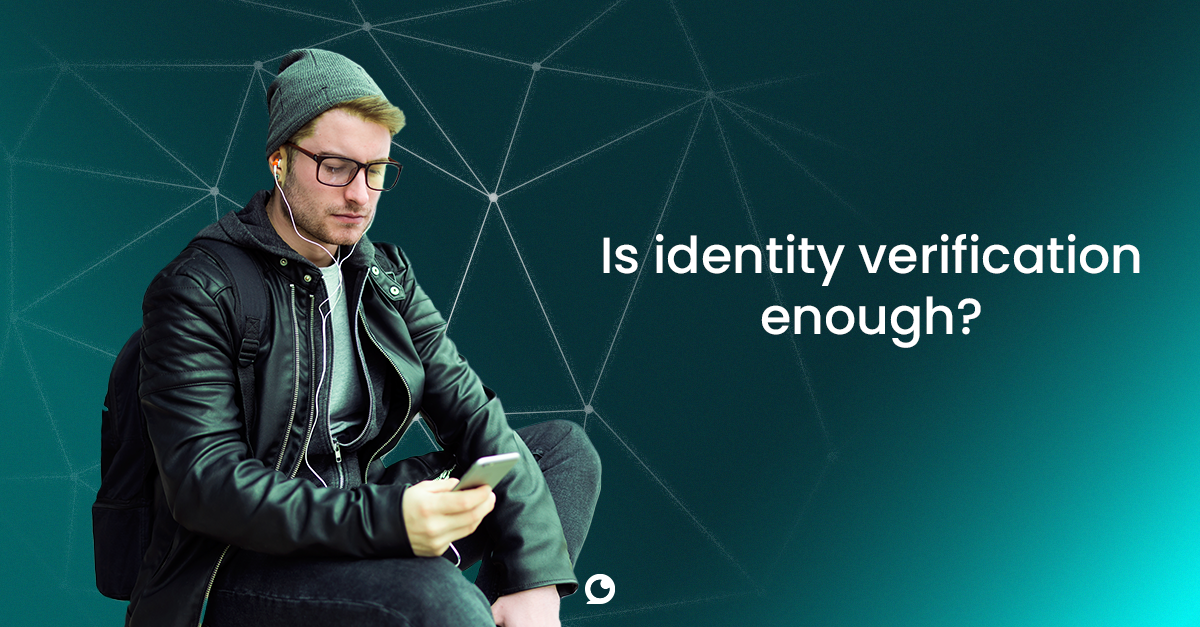
Unauthorised Access Is A Growing Concern For CISOs: Is Identity Verification Enough?
For many organisations, identity verification has long been considered the first line of defence against cybercrime. Yet the threat landscape is changing rapidly, forcing security leaders to ask whether identity verification at login is still enough. As attackers become more sophisticated, relying on a single moment of identity verification can leave organisations exposed long after a user has been authenticated. Modern businesses need greater confidence that the person who completed identity verification at the beginning of a session is still the same person interacting with critical systems. That is why organisations are extending identity assurance beyond login, moving from point-in-time identity verification towards continuous identity assurance.
The 2026 ITWeb Brainstorm CISO Survey highlights just how significant the challenge has become. More than half (51%) of South African Chief Information Security Officers (CISOs) identified unauthorised access as one of their biggest cybersecurity concerns, while 28.3% of organisations experienced identity theft incidents during the past year. At the same time, 75% of organisations rated their machine identity management maturity at three out of five or lower, revealing that many businesses still have considerable room to strengthen identity verification and identity assurance across their environments.
Why identity verification at login alone is no longer enough
Traditional identity verification remains an essential part of secure digital onboarding and authentication. Multi-factor authentication, biometrics, document verification and passwordless technologies have all helped organisations reduce fraud and improve customer trust.
However, most authentication solutions focus on a single point in time.
Once a user has successfully logged in, many systems assume the same authorised individual remains behind the device for the duration of the session. Unfortunately, cybercriminals know how to exploit this assumption.
Session hijacking, account sharing, credential theft, insider threats and social engineering attacks can all result in an unauthorised individual gaining access after the initial authentication process has been completed. In these situations, identity verification performed only at login provides limited protection against threats that emerge later in the user journey.


Continuous Facial Recognition with Liveness extends identity verification beyond login
This is where Continuous Facial Recognition with Liveness comes in. Through the partnership between Datanamix and YEO Messaging, organisations now have access to Continuous Facial Recognition with Liveness, which extends identity verification beyond the initial authentication event.
Powered by YEO Messaging’s Continuous Facial Recognition (CFR) Software Development Kit (SDK), Continuous Facial Recognition with Liveness performs ongoing facial verification with liveness detection throughout a digital session. This helps organisations maintain confidence that the verified individual remains present and actively interacting with the platform while integrating seamlessly with existing authentication and fraud prevention technologies.
Unlike traditional authentication, Continuous Facial Recognition with Liveness is designed to detect changes during a session, helping identify situations where another individual attempts to take over an authenticated device or account. By adding continuous identity assurance to existing authentication processes, organisations can significantly reduce opportunities for unauthorised access without introducing unnecessary friction for legitimate users.
Protecting sensitive business conversations with Secure Enterprise Messaging
For organisations that also need to protect sensitive business communications, Secure Enterprise Messaging complements Continuous Facial Recognition with Liveness by extending identity assurance into messaging, voice and video communications through continuously verified identities and enterprise-grade encryption.
Supporting existing security strategies rather than replacing them
One of the biggest misconceptions surrounding advanced authentication technologies is that they require organisations to replace their existing security investments.
The most effective cybersecurity strategies are built by strengthening proven controls rather than replacing them. Identity verification remains a critical foundation, but Continuous Facial Recognition with Liveness enhances existing authentication by providing ongoing identity assurance throughout the user session.
This layered approach aligns with Zero Trust security principles, where trust is continuously evaluated rather than assumed after login. Organisations can continue using their existing identity providers, authentication platforms and security infrastructure while adding another level of protection against evolving threats.
A smarter approach to identity assurance
The growing concern around unauthorised access demonstrates that cybersecurity is no longer simply about verifying who logs in. It is about maintaining confidence in who remains connected throughout every interaction.
As cyber threats continue to evolve, CISOs need solutions that improve visibility, reduce risk and strengthen security without disrupting the user experience. Continuous identity assurance provides exactly that.
Datanamix combines trusted onboarding, identity verification, Continuous Facial Recognition with Liveness and Secure Enterprise Messaging to help organisations build a stronger, more resilient identity assurance strategy.
For organisations looking to reduce fraud, prevent unauthorised access and build greater digital trust, the future lies not in replacing existing authentication technologies, but in extending them with Continuous Facial Recognition with Liveness to help maintain confidence in a user’s identity long after login.