




No. Identity verification at login is essential, but it cannot confirm that the same authorised person remains in control throughout a digital session.
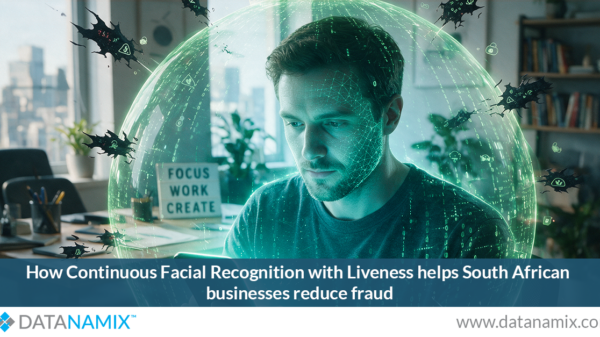
After a successful login, session hijacking, credential theft, device sharing, social engineering and account takeovers can still give an unauthorised person access to sensitive systems. Organisations therefore need to combine login verification with continuous identity assurance.
What is the difference between identity verification and continuous identity assurance?
Identity verification confirms a person’s identity at a particular moment, normally during onboarding or login.
Continuous identity assurance helps an organisation confirm that the verified individual remains present during the session. Instead of assuming that a successful login can be trusted indefinitely, the user’s identity continues to be evaluated while sensitive activity takes place.
Why is login authentication no longer enough?
Most authentication systems verify identity only once. After that, the system generally assumes that the authorised person still controls the account or device.
This creates a potential security gap. An unauthorised person could gain access after login through:
- Session hijacking
- Stolen credentials
- Account or device sharing
- Insider threats
- Social engineering
- Physical takeover of an authenticated device
Multi-factor authentication, biometrics and passwordless authentication help protect the login process, but they do not necessarily identify a change of user later in the session.
How does Continuous Facial Recognition with Liveness work?
Continuous Facial Recognition with Liveness performs ongoing facial verification during a digital session. Liveness detection helps determine whether a real person is present, while facial matching helps confirm that the person remains the verified user.
Through the partnership between Datanamix and YEO Messaging, organisations can integrate this capability into existing digital platforms using YEO Messaging’s Continuous Facial Recognition SDK.
The technology is designed to complement existing identity providers, authentication systems and fraud-prevention controls.
Does continuous identity assurance replace multi-factor authentication?
No. Continuous identity assurance should support existing authentication measures rather than replace them.
A layered security approach may include:
- Identity verification during onboarding
- Authentication at login
- Multi-factor or biometric authentication
- Continuous identity assurance during sensitive sessions
- Encrypted communications and fraud monitoring
This approach supports Zero Trust principles by evaluating trust throughout the interaction instead of granting indefinite trust after login.
How can organisations protect sensitive digital communications?
Secure Enterprise Messaging can extend identity assurance into messaging, voice and video communications. It combines continuously verified identities with enterprise-grade encryption to help protect confidential business conversations.
What should CISOs consider?
CISOs should assess where a change of user after login would create the greatest risk. Examples include access to financial systems, customer information, confidential communications and privileged administrative tools.
Continuous identity assurance can then be introduced proportionately in high-risk workflows.
Frequently asked questions
Is biometric login the same as continuous facial recognition?
No. Biometric login normally verifies the user once. Continuous facial recognition performs verification at appropriate points throughout the session.
Can an authenticated session still be hijacked?
Yes. A valid login does not prevent someone from stealing a session, taking over a device or coercing an authorised user.
What is liveness detection?
Liveness detection helps determine whether the biometric input comes from a live person rather than a photograph, recording or other presentation attack.
What is the main benefit of continuous identity assurance?
It helps an organisation maintain confidence that the verified user remains present after login.
Datanamix combines identity verification, Continuous Facial Recognition with Liveness and Secure Enterprise Messaging to help organisations build stronger identity assurance strategies.
Contact Datanamix to discuss continuous identity assurance for your organisation.