








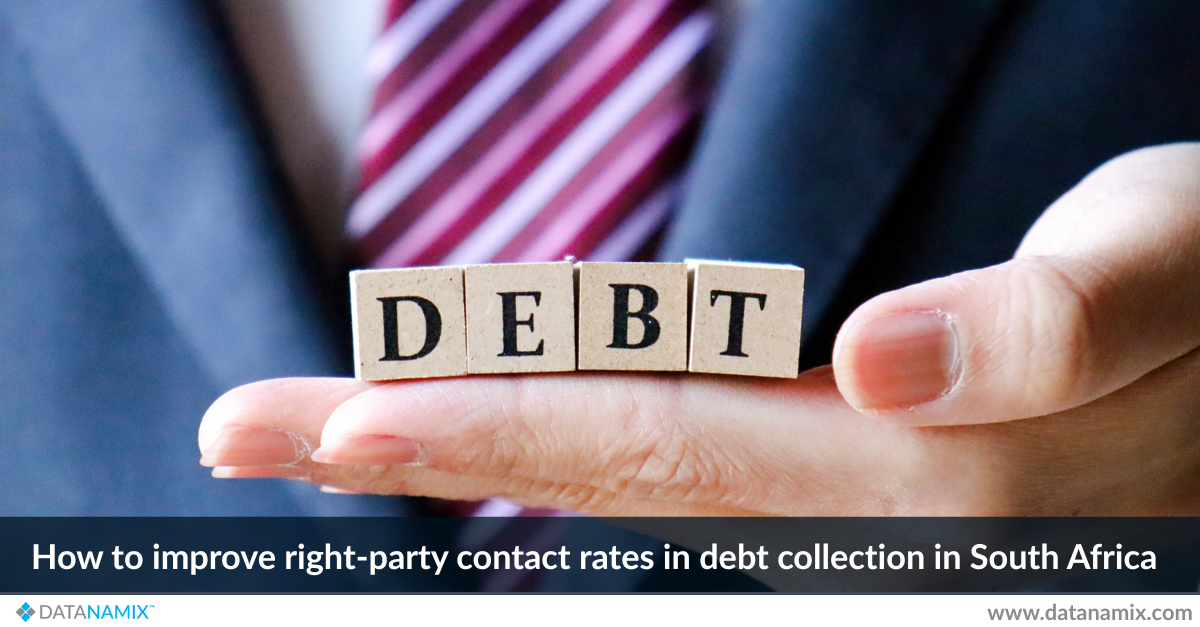
How to improve right-party contact rates in debt collection in South Africa
Right-party contact is one of the most important performance indicators in debt collection. When agents reach the correct debtor, conversations can move forward and repayment arrangements can begin. When they do not, valuable time and operational resources are lost. In South Africa, debt collection teams face increasing difficulty achieving strong right-party contact rates because debtor contact data changes frequently. As a result, many debt collection call centres spend significant time dialling numbers that no longer belong to the intended consumer. Improving right-party contact has therefore become a critical priority for debt collection managers who want to improve productivity, reduce compliance risk, and increase recovery success.
At the same time, the debt collection industry is evolving. Modern debt collection is increasingly shifting away from aggressive, high-pressure tactics toward more consumer-centric and empathetic communication approaches. Organisations are recognising that respectful engagement not only improves repayment outcomes but also helps maintain long-term brand trust. However, empathetic communication can only happen when collectors reach the correct person. Without reliable right-party contact, even the most thoughtful engagement strategy cannot succeed.
Why are right-party contact rates declining?
Several factors contribute to declining right-party contact rates across the South African debt collection environment. One of the biggest challenges is the rapid rate at which contact information becomes outdated. Mobile numbers change frequently as consumers switch networks, replace lost devices, or update prepaid SIM cards.
South Africa also experiences a high level of SIM card churn and number recycling. When a mobile number becomes inactive, it may eventually be reassigned to a new user. This creates a significant challenge for collections teams because a number that once belonged to a debtor may now belong to a completely different person.
In addition, many debtor records were originally captured years earlier during credit applications. Over time, consumers may move homes, change jobs, or update their contact details without those changes being reflected in the creditor’s database. Without access to updated information, agents may unknowingly attempt to contact outdated numbers or addresses.
These factors mean that maintaining accurate debtor contact information is no longer a one-off activity. It requires ongoing data updates and verification to ensure collections teams are working with the most relevant information available.
The impact of low right party contact
Low right-party contact rates create a ripple effect across debt collection operations. When agents repeatedly reach the wrong person or dial inactive numbers, productivity drops significantly. Agents spend more time searching for the correct debtor and less time engaging in meaningful repayment discussions.
This inefficiency increases operational costs because more calls are required to reach the same number of consumers. Call centre capacity becomes strained, and collection cycles often extend longer than expected.
Low right-party contact can also introduce compliance concerns. Contacting the wrong person about a debt can expose sensitive financial information and create potential regulatory risks. In a POPIA-regulated environment, organisations must take reasonable steps to ensure that personal information is used responsibly and that communications are directed to the correct individual.
It also undermines the industry’s shift toward more responsible and empathetic collections practices. If the wrong person receives a collections call, the interaction immediately creates a negative experience. Ensuring right-party contact, therefore, supports both compliance and a more respectful approach to consumer engagement.
For these reasons, improving right-party contact rates is not only about increasing recoveries. It is also about protecting consumer privacy, improving operational efficiency, and supporting modern, responsible collections practices.


Strategies to improve right-party contact rates
Improving right-party contact rates requires a combination of better data management and smarter engagement strategies. Several practical steps can help debt collection teams increase the likelihood of reaching the correct debtor.
Regularly update debtor contact data
Debtor information should not remain static for long periods. Regularly refreshing contact data helps ensure that records reflect the most recent available information. Updated phone numbers and addresses increase the chances that agents reach the intended consumer on the first attempt.
Verify identity before engagement
Confirming that a contact number is associated with the correct debtor before contacting can significantly reduce interactions with the wrong party. Identity verification processes help collections teams validate that the information they are using belongs to the intended individual.
Use multiple contact channels
Consumers communicate across multiple platforms. Relying on a single phone number may limit the chances of making contact. Where possible, collections teams should maintain multiple contact points such as alternative phone numbers, email addresses, or physical address records.
Prioritise high-quality contact data
Not all contact information is equally reliable. Prioritising verified or recently updated contact details in dialler campaigns can improve connection rates and reduce time spent dialling inactive numbers.
Continuously monitor data accuracy
Tracking right-party contact performance can help organisations identify when data quality issues are affecting results. By analysing trends in unsuccessful contact attempts, collections teams can determine when it is time to refresh or enrich their debtor data.
The role of accurate data in collections performance
Ultimately, right-party contact rates depend heavily on the quality of the data used by collections teams. Even the most skilled agents cannot reach the correct debtor if the contact information they are given is outdated or incorrect.
Access to accurate, verified, and regularly updated debtor contact data allows collections teams to focus their efforts on meaningful engagement rather than spending time chasing invalid numbers. This also enables organisations to support a more respectful, consumer-focused collections approach where conversations can be constructive rather than confrontational.
With better data, organisations can increase efficiency, reduce compliance risk, and improve recovery outcomes.
For organisations looking to strengthen right-party contact performance in South Africa, trusted data verification and enrichment solutions such as those provided by Datanamix can play an important role in ensuring collections teams are working with reliable and up-to-date information.
Contact us here to speak to an expert.