



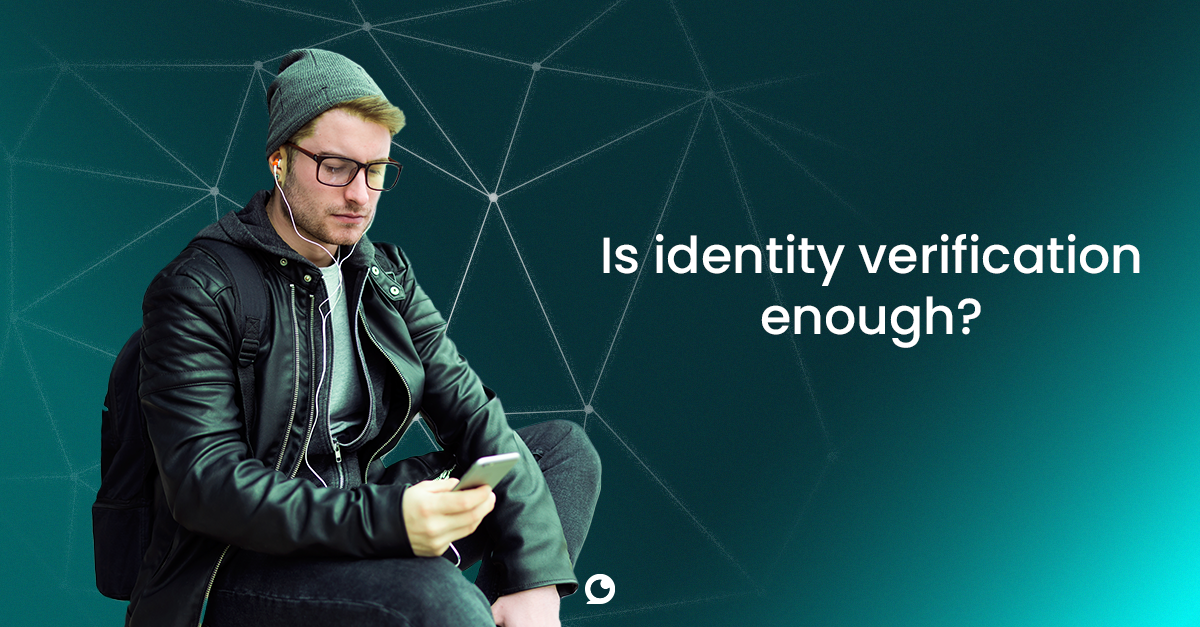
Is identity verification at login enough to prevent unauthorised access?
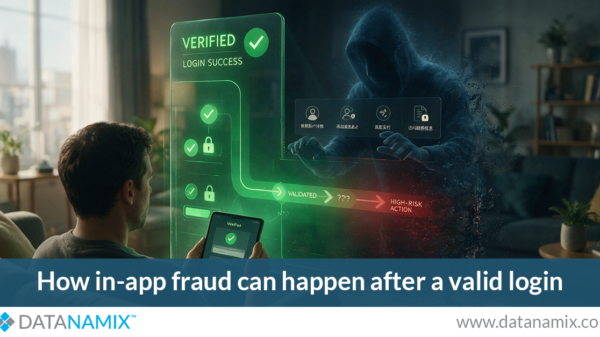
No, not by itself. Login verification helps an organisation establish who completed the initial identity check, but it does not necessarily establish who is performing every action that follows.
For organisations asking, “Is identity verification at login enough to prevent unauthorised access?”, the practical issue is what happens after entry. A user may later add a beneficiary, change account information, authorise another device or approve a high-value payment. These actions may require additional identity assurance alongside existing login controls.
What does identity verification at login establish?
A login process may require a password, one-time PIN, fingerprint, facial recognition or another authentication factor. These controls help the organisation decide whether access should be granted at that moment.
Multi-factor authentication, device recognition and biometric login remain important. They protect the point of entry and can also be used again when a customer attempts a sensitive action.
The limitation is not that login security has failed. It is that the session continues after the first identity check has taken place.
Why can unauthorised access remain a concern after login?
Someone other than the authorised user may gain control of an active account or device through stolen credentials, account takeover, session hijacking, social engineering or remote access.
The preliminary 2026 ITWeb Brainstorm CISO Survey found that 51% of respondents identified unauthorised access or hacking as a leading cyber risk. It also found that 28.3% had experienced identity theft incidents during the preceding year.
These findings show why identity remains an important part of the security conversation. They do not mean that one additional control can address every form of unauthorised access.
Which actions may need additional identity assurance?
Not every action within an application carries the same consequence. Viewing an account balance is different from changing where money will be paid or who can access an account.
Higher-risk actions may include:
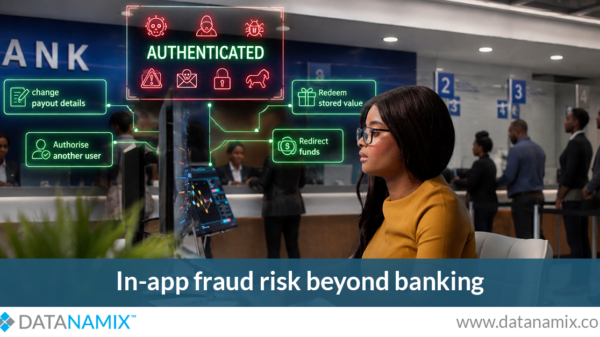
- Adding or changing a beneficiary
- Updating registered contact or payout details
- Increasing a transaction limit
- Authorising another device or user
- Approving a high-value payment
- Accessing or exporting sensitive information
The organisation can determine which actions justify greater confidence in the identity of the person performing them.
Does continuous identity assurance replace existing security controls?
No. Continuous identity assurance should work alongside the controls already in place.
These may include:
- Identity verification during onboarding
- Authentication and multi-factor authentication
- Device and endpoint security
- Transaction monitoring
- Behavioural risk signals
- Malware and remote-access detection
- Incident response and account recovery
Each control addresses a different part of the risk. Continuous identity assurance contributes additional context about who is present during the session.
How can Continuous Facial Recognition with Liveness help?
Continuous Facial Recognition with Liveness is designed to extend identity assurance beyond login. It helps an organisation maintain greater confidence that the authorised person remains present during the digital session.
The technology does not determine whether a transaction is safe or whether a legitimate customer is acting voluntarily. It should form part of a wider identity, authentication and fraud-prevention environment.
Datanamix provides Continuous Facial Recognition with Liveness in South Africa. Powered by the YEO Continuous Facial Recognition SDK, it is designed to work alongside existing authentication and fraud controls.
Contact Datanamix to discuss where additional identity assurance could support your existing security environment.