




How can businesses prevent commercial fraud in South Africa?
Commercial fraud is no longer a distant risk. Commercial fraud is a daily reality for South African businesses operating in an increasingly digital environment. From corporate banking to enterprise onboarding, commercial fraud is exposing organisations to significant financial and reputational damage. Commercial fraud is evolving faster than traditional verification processes can keep up. Commercial fraud is now one of the biggest threats to business growth, trust, and compliance.
Why is commercial fraud increasing in South Africa?
Commercial fraud continues to rise as fraudsters take advantage of gaps in business verification and digital onboarding processes. As more organisations move toward remote transactions and corporate banking expands, the opportunity for commercial fraud grows.
Fraudsters are no longer relying on simple tactics. They are impersonating executives, creating fake companies, and manipulating business information to appear legitimate. Without strong verification processes in place, businesses are left exposed to commercial fraud at multiple points in the customer and partner lifecycle.
How does commercial fraud impact businesses?
The impact of commercial fraud goes far beyond financial loss. Businesses affected by commercial fraud often face operational disruption, regulatory scrutiny, and long-term damage to trust.
When a fraudulent company is onboarded or a fake director is verified as legitimate, the consequences can include:
- Unrecoverable financial transactions
- Exposure to compliance breaches
- Reputational damage with clients and stakeholders
- Increased internal costs to investigate and resolve fraud cases
Commercial fraud also creates uncertainty within organisations. Decision-makers cannot confidently verify whether they are dealing with legitimate entities, which slows down onboarding and affects business growth.
Common types of commercial fraud businesses should watch for
To prevent commercial fraud, businesses need to understand how it happens. Some of the most common forms of commercial fraud in South Africa include:
- CEO impersonation: Fraudsters pose as senior executives to authorise payments or request sensitive information
- Fraudulent company registrations: Fake or manipulated entities are created to appear legitimate
- Unauthorised directors or representatives: Individuals falsely claim authority to act on behalf of a business
- Fraudulent bank account creation: Accounts are opened using stolen or falsified business and identity information
Each of these scenarios highlights how commercial fraud exploits weaknesses in verification processes.


Why traditional verification methods are no longer enough
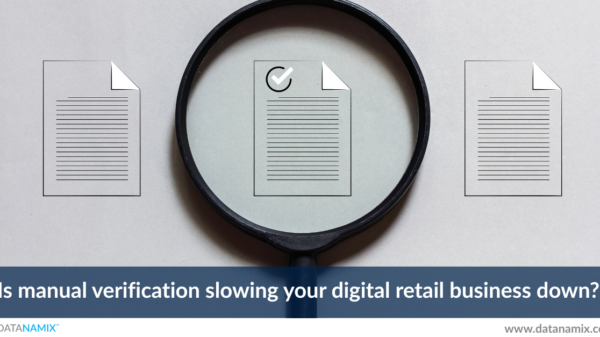
Many organisations still rely on manual checks or outdated data sources to validate businesses. This approach is no longer sufficient to prevent commercial fraud.
Manual verification is slow, inconsistent, and prone to error. It also creates gaps that fraudsters can exploit. In a digital environment where transactions happen instantly, businesses need real-time, accurate verification to reduce exposure to commercial fraud.
Without access to trusted data and automated validation, organisations cannot confidently answer key questions:
- Is this business legitimately registered?
- Are the directors verified and authorised?
- Is the identity behind this transaction real?
How businesses can reduce the risk of commercial fraud
Preventing commercial fraud requires a shift toward data-driven verification and stronger identity validation processes.
Businesses should focus on:
- Verifying company registration details against trusted sources
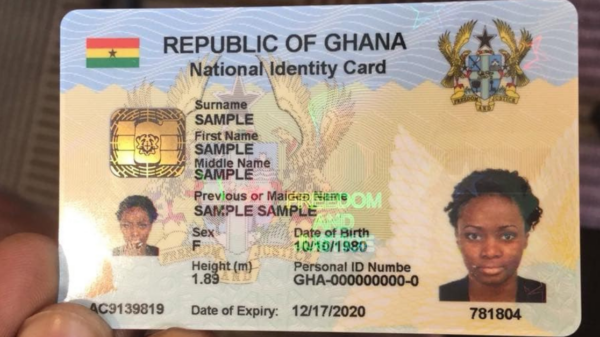
- Confirming the identity of directors and authorised representatives
- Using biometric checks such as facial recognition
- Implementing real-time validation during onboarding
- Ensuring compliance with regulatory requirements such as FICA
By strengthening these areas, organisations can significantly reduce their exposure to commercial fraud and improve confidence in their business relationships.
The role of data in preventing commercial fraud
At the core of commercial fraud prevention is access to reliable, up-to-date data. Without it, businesses are making decisions based on incomplete or outdated information.
This is where platforms like Datanamix play a critical role.
Datanamix enables organisations to verify both businesses and individuals through trusted data sources and integrated verification tools. By combining multiple layers of validation, businesses can reduce risk and improve onboarding accuracy.
Key solutions include:
- Business Verification and CIPC Integration: Verify company registration and director information directly through trusted data sources
- ID Verification: Confirm the identity of individuals linked to a business
- Know Your Customer (KYC): Ensure compliance and validate customer legitimacy
- Identity Management Solutions: Strengthen identity validation across the onboarding process
By using these solutions together, organisations can build a stronger defence against commercial fraud and reduce the risk of onboarding fraudulent entities.
Final thoughts
Commercial fraud is not slowing down. It is becoming more sophisticated, more targeted, and more costly for South African businesses.
The organisations that will succeed are those that move beyond manual processes and adopt data-driven verification strategies. Preventing commercial fraud is no longer just about compliance. It is about protecting revenue, reputation, and long-term growth.
With the right data, tools, and verification processes in place, businesses can operate with greater confidence and significantly reduce their exposure to commercial fraud.
Book a demo here.