






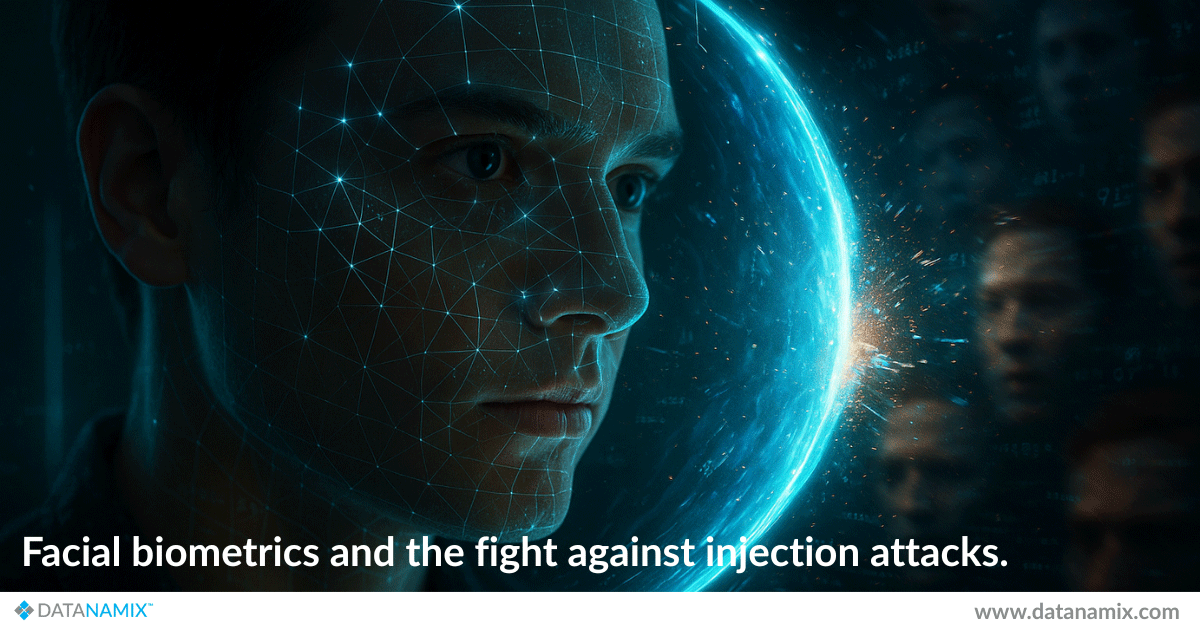
Facial biometrics and the fight against injection attacks
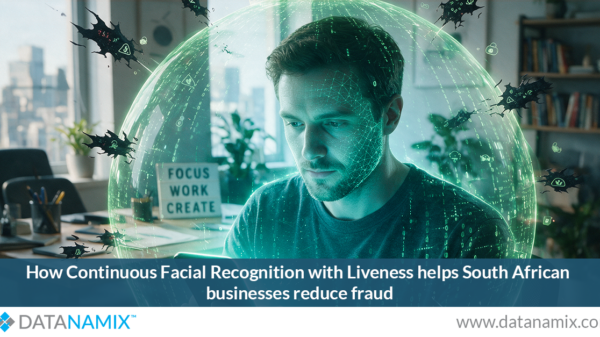
Facial biometrics are no longer a futuristic nice-to-have; they’re now a frontline defence against fraud. Yet as adoption grows, so do the threats. One of the fastest-growing risks is injection attacks, where a fraudster bypasses the camera entirely, feeding pre-recorded or deepfake video directly into the verification system. When facial biometrics aren’t designed to stop injection attacks, they’re left wide open to exploitation.
In the biometric world, the way you implement technology matters; if you don’t use the correct, certified method, you are at immediate risk of fraud.
That’s why advanced facial biometrics platforms now focus heavily on preventing injection attacks through robust anti-spoofing measures, internationally recognised certifications, and independent testing. In this blog, we’ll explore how facial biometrics and the fight against injection attacks are evolving to protect your business.
Facial biometrics and injection attacks: Understanding the threat
The challenge with facial biometrics is that while they excel at matching a live person’s face to a stored template, they can be deceived if the input isn’t genuine. This is where injection attacks come in; instead of presenting their face to a camera, attackers feed in manipulated or pre-recorded video streams, bypassing the physical capture process.
This is far more sophisticated than a standard presentation attack, where someone might hold up a printed photo or a phone screen showing a face to the AI system.
In other words:
- Presentation attack – Showing a static or replayed image/video of a person to trick the AI.
- Injection attack – Bypassing the biometric hardware entirely, encrypting or replacing the camera feed with fraudulent data.
With the rise of deepfakes, injection attacks have become even more dangerous, producing ultra-realistic content that can fool outdated facial biometrics systems.


Why ISO/IEC 30107-3 matters in stopping injection attacks
If you’re evaluating facial biometrics platforms, ISO/IEC 30107-3 is one of the most important benchmarks to check for. This standard defines how biometric systems are tested against both presentation attacks and injection attacks, ensuring they can handle real-world spoofing attempts.
Certification means the facial biometrics platform has undergone rigorous, independent testing, not just against known attacks but also against emerging ones. Without it, there’s no assurance that your system can withstand advanced injection attacks, putting compliance and customer trust at risk.
The role of NIST in validating facial biometrics
Alongside ISO/IEC certification, the US National Institute of Standards and Technology (NIST) plays a critical role in verifying facial biometrics accuracy. While ISO focuses on resilience against presentation and injection attacks, NIST measures the core face-matching capabilities, speed, accuracy, and reliability.
A system might pass anti-spoofing tests but still underperform in matching. The best facial biometrics solutions combine NIST-verified accuracy with ISO/IEC 30107-3-certified anti-injection attack resilience.
Presentation attacks vs injection attacks in facial biometrics
Presentation attacks target facial biometrics by physically showing fake content to the camera, like a printed photo, a mask, or a replayed video. Injection attacks bypass the camera entirely by inserting fraudulent data directly into the system’s video feed, often using encryption to make the feed appear legitimate. Because there’s no physical interaction, many legacy facial biometrics systems can’t detect them, making injection attacks one of the most critical blind spots for organisations that haven’t upgraded.
Preventing deepfake injection attacks in facial biometrics
Deepfake technology has rapidly increased the realism of injection attacks. Fraudsters can now generate convincing face videos in seconds. To combat this, leading facial biometrics providers use layered protections, including liveness detection, encrypted camera streams, and AI-driven anomaly detection.
These measures ensure injection attacks are identified and blocked before reaching the matching engine, allowing only genuine, real-time images through. This is why banks are tightening ID checks as AI deepfakes get better, and why working with the right facial biometrics partner is essential.
Why certification is a real differentiator in facial biometrics
Many vendors claim to block injection attacks, but without ISO/IEC 30107-3 certification, there’s no independent validation. Certified facial biometrics solutions have proven themselves against a variety of simulated threats, including advanced deepfake-based injection attacks, during formal testing.
This certification becomes a powerful differentiator when you’re deciding between solutions, as it separates marketing claims from verified performance.
FaceTec: Setting the benchmark for injection attack resilience
One standout example is FaceTec, a facial biometrics platform that consistently ranks at the top of independent testing for both anti-spoofing and injection attack resilience. FaceTec’s spoof bounty programme actively invites white-hat hackers to try and bypass its systems, and no one has succeeded.
This track record, paired with ISO/IEC 30107-3 certification and NIST-verified accuracy, makes FaceTec a strong choice for organisations that take facial biometrics security seriously. For Datanamix, this is a huge advantage. Partnering with a provider like FaceTec means our clients benefit from the highest possible protection against injection attacks.
Why this matters for your business
Whether you’re in finance, insurance, telecoms, or government, your facial biometrics system is only as secure as its weakest link. If it can be fooled by injection attacks, then no amount of policy or process will protect you from fraud. Investing in certified, independently tested solutions isn’t just about compliance; it’s about future-proofing your verification workflows against increasingly sophisticated threats.
Datanamix partners with proven leaders like FaceTec to deliver biometric verification that’s fast, remote, accurate, and resilient against both presentation and injection threats.
If you’re ready to upgrade your verification process and protect your organisation from the next wave of biometric fraud, talk to us today.