







Automated KYC transforms the way businesses verify customer identities. Automated KYC eliminates manual processes, reduces human error and improves compliance. With automated KYC, businesses can onboard customers in seconds while staying fully compliant. The power of automated KYC lies in its ability to streamline security, prevent fraud, and ensure regulatory compliance. For businesses looking to grow securely, automated KYC provides a smarter, faster way to verify identities while enhancing customer experience.
By streamlining processes and reducing time-intensive tasks, companies can achieve a higher ROI—not just in cost savings but in maximising valuable resources. For example, in a bank with a team of 20 people, including high-cost BI and Data experts who shouldn’t be tied up with KYC processes, automation shifts the focus from tedious tasks to strategic work, ultimately driving efficiency and profitability.
What can automated KYC do for you?
Traditional Know Your Customer (KYC) processes are slow, expensive, and error-prone. Automated KYC leverages AI and machine learning to verify identities in real time, reducing fraud risks and improving compliance.
By automating document verification, facial recognition, and real-time data checks, businesses can eliminate inefficiencies and enhance security. AI-powered automated KYC streamlines risk assessment and removes false positives, ensuring a more accurate verification process.

The benefits of automated KYC
1. Faster customer onboarding
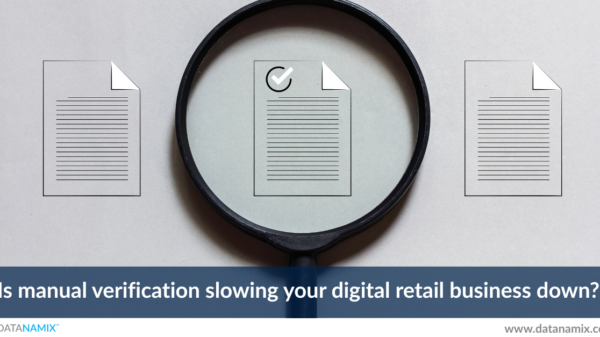
Manual verification slows business growth and frustrates customers. AI-driven automated KYC authenticates identity documents in seconds, reducing friction and improving user experience.
By automating data processing, businesses can extract key insights quickly, turning complex datasets into actionable intelligence.
2. Compliance without the hassle
Governments continue to strengthen anti-money laundering (AML) laws, making compliance more complex. Automated KYC ensures businesses stay ahead of evolving regulations by continuously updating verification processes and flagging potential risks in real time.
3. Fraud prevention and risk mitigation
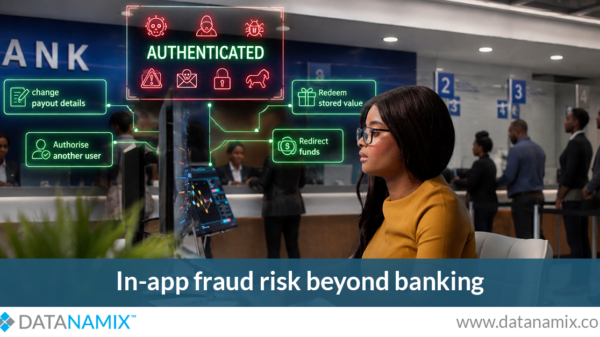
Fraud threats are increasing, and manual verification isn’t enough. AI-powered automated KYC analyses vast amounts of data instantly, detecting anomalies that could indicate fraud.
This proactive approach helps businesses protect customer data and their reputation while reducing financial risk.
4. Scaling securely with automated KYC
For businesses looking to scale, automated KYC offers a cost-effective, compliant solution. It eliminates manual bottlenecks, reduces errors, and ensures global regulatory compliance.
With AI-driven automation, businesses can expand into new markets securely, verifying customers across multiple geographies without compliance headaches.
KYC Infinite by Datanamix
If you’re looking to streamline identity verification, automated KYC is the answer. KYC Infinite by Datanamix offers a seamless and intelligent automated KYC solution. As a software and API-based solution, KYC Infinite leverages AI to automate decision-making, remove false positives, and provide complete FIC compliance.
With AI-driven technology, KYC Infinite ensures that businesses can verify identities quickly, securely, and with full regulatory compliance, allowing them to streamline operations and mitigate risk effectively.
Why choose KYC Infinite
- AI-driven decision making for faster, more accurate verification
- Automated processes to eliminate manual inefficiencies
- Seamless integration with existing systems
- Full compliance with evolving regulatory standards
- 12 Month AML Monitoring
- All FICA required data assets available
Want to crush compliance challenges? Read our blog to learn more.