



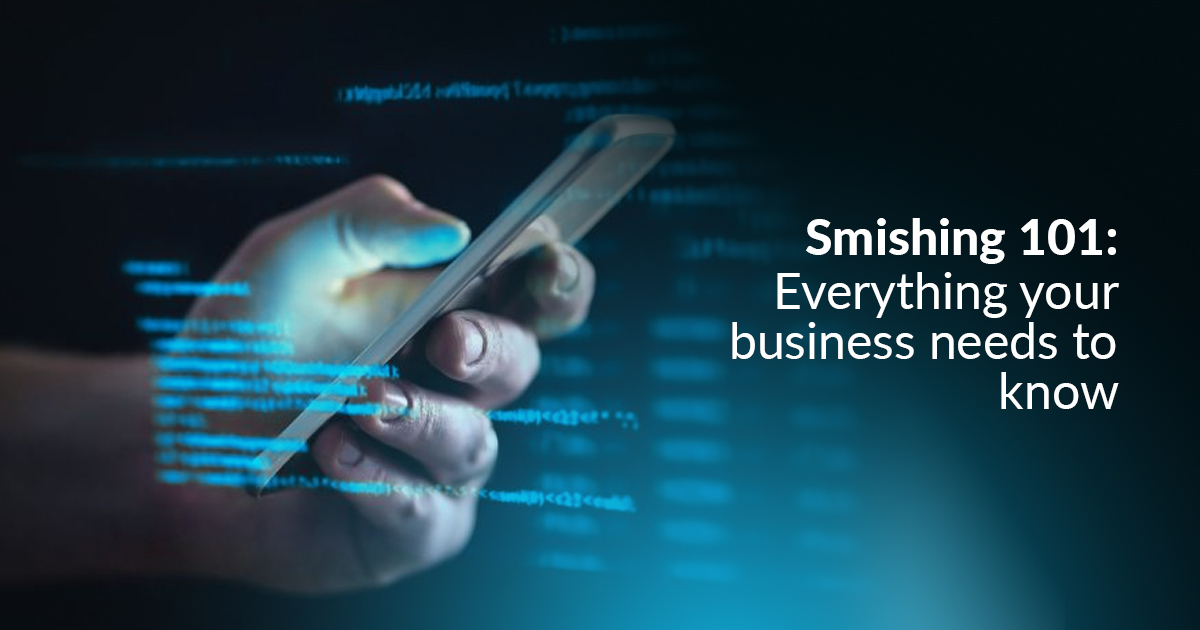
Smishing, a combination of SMS and phishing, is becoming an increasingly common threat in the digital landscape. In a typical smishing attack, a cybercriminal sends a fraudulent text message designed to trick the recipient into revealing personal information, such as login credentials, banking details, or even social security numbers. These smishing messages are often crafted to look like they’re from a legitimate source—whether it’s a bank, government institution, or online retailer—making them highly convincing and increasing the likelihood of victims being deceived.
One of the most dangerous aspects of smishing is its ability to bypass traditional email security measures. Because the attack takes place via text messages, users often have a false sense of security, making them more susceptible to these scams. As mobile device usage continues to rise, so does the threat of smishing, which targets individuals who may not be as vigilant with their mobile communications as they are with email.
Smishing attacks often include a sense of urgency, such as a warning about a compromised account or a missed payment, compelling the recipient to act quickly without fully verifying the authenticity of the message. This manipulation of emotions and time pressure makes smishing one of the more effective tactics in the phishing world.
To protect against smishing, it’s essential for individuals to stay informed, scrutinise unsolicited messages, and never click on links or provide sensitive information via text, especially when the message appears out of the blue.
How Does Smishing Work?
Smishing attacks are designed to look authentic, often using links, phone numbers, or even real company names. Here’s a breakdown of how a typical attack works:
- The message: The attacker sends an SMS, usually urgent in nature, claiming there’s an issue that needs immediate attention (e.g., suspicious activity on your account, delivery issues).
- The call to action: The message urges the recipient to click a link, reply with sensitive information, or call a provided number.
- The trap: Once the recipient interacts with the message, the attacker gains access to personal data, which can lead to identity theft, fraud, or even financial loss.
Why Do People Fall for Smishing?
Smishing plays on human psychology, particularly fear and urgency. People are more likely to respond to a message that suggests their money or account is in danger. Cybercriminals are skilled at creating convincing messages that appear to be from legitimate sources, which increases the success rate of their attacks.
How to Avoid Smishing
Here are some key steps to protect yourself from falling victim to a Smishing attack:
- Be sceptical of unsolicited messages: If you receive a message from a source, you don’t recognise or an unexpected message from a known source, verify its authenticity by contacting the company directly through official channels.
- Never click on links: Avoid clicking on links in text messages, especially if the message is urgent or alarming. Instead, go to the company’s website or app manually to check for any alerts.
- Don’t share personal information: Legitimate companies will never ask for sensitive information via SMS. If a message requests personal details, it’s likely a scam.
- Use anti-virus software: Ensure that your devices are equipped with updated anti-virus software to protect against malicious content.
The Role of Certified Logos in SMS
One effective way to distinguish legitimate messages from Smishing attempts is through certified logos in SMS messages. Certified logos provide visual assurance that the message has been verified as coming from a trusted company. When you see the company’s official logo in your SMS, you can feel confident that the communication is authentic. This branding tactic helps build trust and reduces the risk of falling victim to a scam.
How Datanamix Offers Smishing Solutions
At Datanamix, we understand the importance of protecting consumers from growing threats like Smishing. That’s why we offer certified SMS messaging solutions, enabling businesses to ensure that their communications are secure and trusted by recipients. Our technology embeds certified logos into SMS messages, providing immediate visual confirmation that the message is authentic.
Additionally, our anti-fraud measures and compliance solutions are designed to safeguard businesses and their customers. Whether through our advanced screening tools, secure messaging services, or fraud prevention resources, Datanamix is committed to helping businesses combat Smishing and other cyber threats.
Smishing is a real and growing threat, but with the right tools and awareness, it can be mitigated. Certified logos in SMS messaging are an excellent way to build trust and ensure customers can confidently engage with their messages. Datanamix is proud to offer solutions that help businesses protect themselves and their clients from these types of attacks.
Keep your SMS communications secure and keep your customers safe. Learn more about how we can assist your company with this here.