



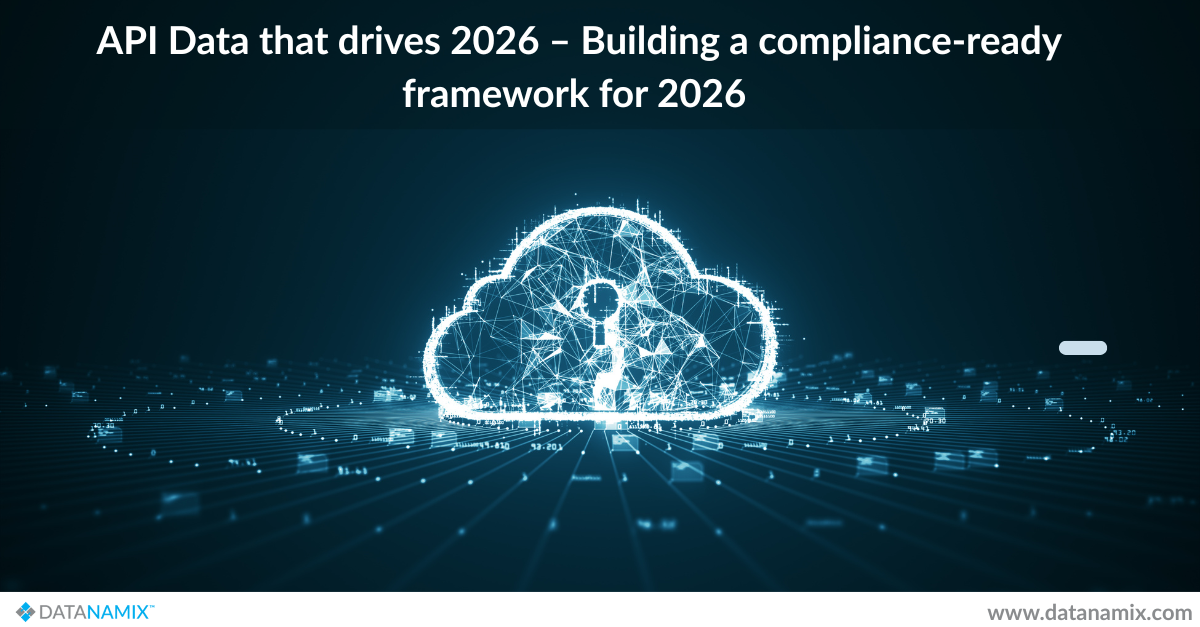
API Data That Drives 2026 – Building a Compliance-Ready Framework for 2026
API Data accuracy and verification speed matter more than ever as financial institutions move into a new compliance cycle. As regulatory expectations tighten and fraud tactics grow more sophisticated, data accuracy becomes the anchor that keeps onboarding, monitoring, and risk assessments stable.
Whether banks are validating identity documents, checking company records, or confirming bank account ownership, every decision is only as strong as the data accuracy supporting it. Modernised APIs now remove the manual friction historically associated with verification, allowing organisations to achieve data accuracy at scale and in real time.
This shift toward instant validation is reshaping how teams structure their compliance frameworks for 2026 and beyond. Clean, trusted information fuels everything from KYC reviews to AML triggers, making data accuracy the foundation of smarter, safer, more resilient financial ecosystems.
From identity checks to company searches and bank account verification, this article outlines the roadmap for building a compliance-ready data framework in the year ahead – a future where data accuracy underpins every meaningful improvement.
1. Strengthen your foundation with real-time verification
As organisations move toward more automated decisioning, real-time verification becomes a non-negotiable component of a data-driven ecosystem that must also support evolving compliance expectations. Traditional batch checks simply cannot keep pace with rising transaction volumes, customer onboarding demands, and regulator pressure to detect issues early. Real-time verification ensures information is validated the moment it enters a workflow, closing gaps that criminals often exploit and enabling teams to respond with confidence.
Modern verification APIs now deliver sub-second responses, allowing institutions to authenticate identity documents, residential addresses, company information, and bank account details instantly. This real-time capability lets teams reduce friction, approve good customers faster, and prevent costly downstream remediation. In 2026, real-time verification will no longer be an operational edge – it will be a strategic baseline.
2. Unify fragmented processes into one streamlined platform
Fragmentation remains one of the biggest obstacles to trustworthy data, especially when multiple teams handle verification steps that impact organisational compliance. Scattered tools, legacy systems, and outdated integrations often create inconsistent outcomes, manual rework, and unnecessary customer delays.
Centralising all verification workflows into a single, unified platform eliminates duplication and builds consistency at scale. With one access point for B2C and B2B checks – identity, address, affordability, bank account verification, PEP and sanctions screening, CIPC searches, and more – teams can streamline processes and improve audit readiness.
A unified platform also creates clear governance pathways. When everything is logged, timestamped, and tracked in one environment, compliance teams gain traceability from end to end. This transparency is exactly what regulators increasingly expect as they tighten enforcement in 2026.
3. Build stronger decisioning with enriched, contextual insights
Stronger decisioning requires more than raw data – it requires smart tools that interpret results through the lens of risk and compliance. Enriched verification insights provide the context needed to spot anomalies, identify behavioural patterns, and detect emerging fraud vectors faster.
Advanced verification solutions now layer multiple insights into a single response: identity validity, address accuracy, income stability indicators, bank account ownership signals, and company status checks. This enriched view gives analysts a deeper, more nuanced understanding of who they are onboarding or transacting with.
In 2026, enriched intelligence will define the difference between reactive risk management and proactive fraud prevention. Institutions that invest early in contextual insights will be better positioned to navigate a tightening regulatory landscape.
4. Modernise your architecture with flexible API integration
Modern API infrastructure has become a catalyst for both better data quality and smoother compliance execution. Legacy integrations, rigid data formats, and inconsistent naming conventions often slow teams down and increase the chances of verification errors.
Today’s modernised APIs focus on clarity, predictability, and developer-friendly structures. Cleaner naming standards, more consistent responses, and improved error messaging accelerate integration times while reducing friction for technical teams. Whether institutions prefer low-code tools, direct API integrations, or batch automations, flexibility is key.
As 2026 approaches, organisations that modernise their verification architecture will be the ones able to adapt quickly to future regulatory changes, new digital channels, and expanding product lines.
5. Future-proof your risk strategy with continuous optimisation
A compliance-ready framework is never static – it evolves alongside new data risks and shifting compliance requirements. Ongoing optimisation ensures financial institutions stay ahead of vulnerabilities rather than reacting to them.
This includes routine gap assessments, verification logic reviews, and periodic updates to match global KYC, AML, and FICA standards. Continuous optimisation also allows teams to incorporate new verification types, machine-learning risk scores, and cross-bureau intelligence as these innovations mature.
The institutions that embrace a cycle of refinement will be the ones most resilient against fraud, operational failures, and regulatory fines in 2026.
6. Partner with providers that prioritise trust, stability, and innovation
No matter how advanced your internal systems are, financial institutions rely heavily on verification partners that deliver trusted data and dependable compliance support. Downtime, inconsistent results, or unreliable sources can undermine onboarding, lending, and fraud prevention efforts in seconds.
Choosing a partner that prioritises uptime, transparent governance, and access to authoritative data sources strengthens internal risk frameworks. At Datanamix, our mission is to ensure organisations have the tools they need to make accurate decisions – instantly, securely, and at scale.
In 2026, trusted partnerships will define the organisations that thrive in a highly regulated environment.
Building a framework ready for the year ahead
As the sector moves into a new regulatory cycle, institutions that invest in better data controls and stronger compliance frameworks will enjoy a clear competitive advantage. With cleaner data, unified verification pathways, enriched insights, modernised APIs, and ongoing optimisation, financial institutions can confidently navigate 2026 with resilience and trust.
If you’d like help modernising your verification ecosystem, the Datanamix team is ready to support your journey.